La Maison Rouge
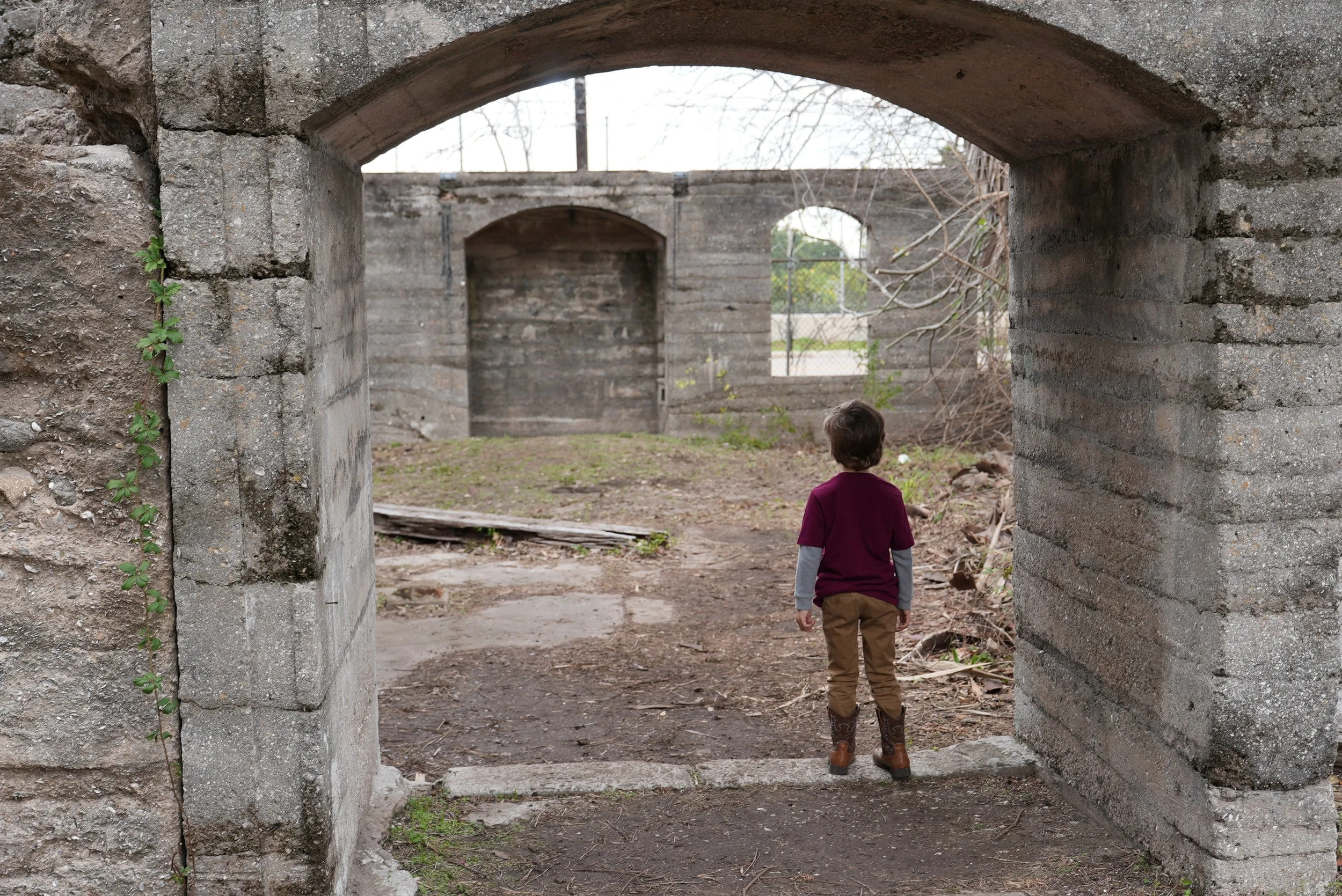
Meet 1417 Harborside Drive
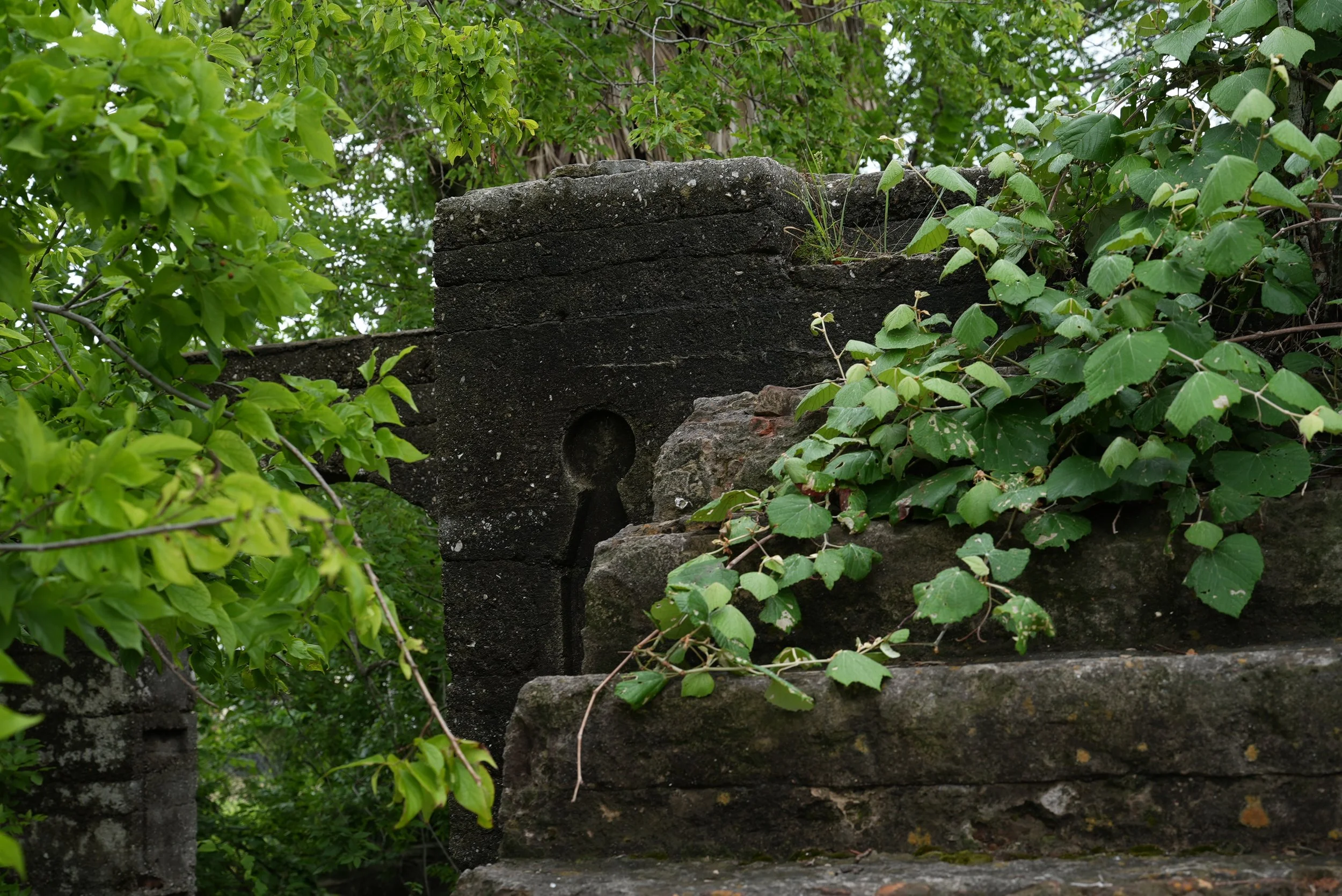
Known by many different names, La Maison Rouge to some, “the Castle” to others, this small, unassuming-yet-mysterious downtown plot has captured the imagination of islanders for generations. This site, covered now in palm trees and ruins, reflects the storied history of Galveston itself.
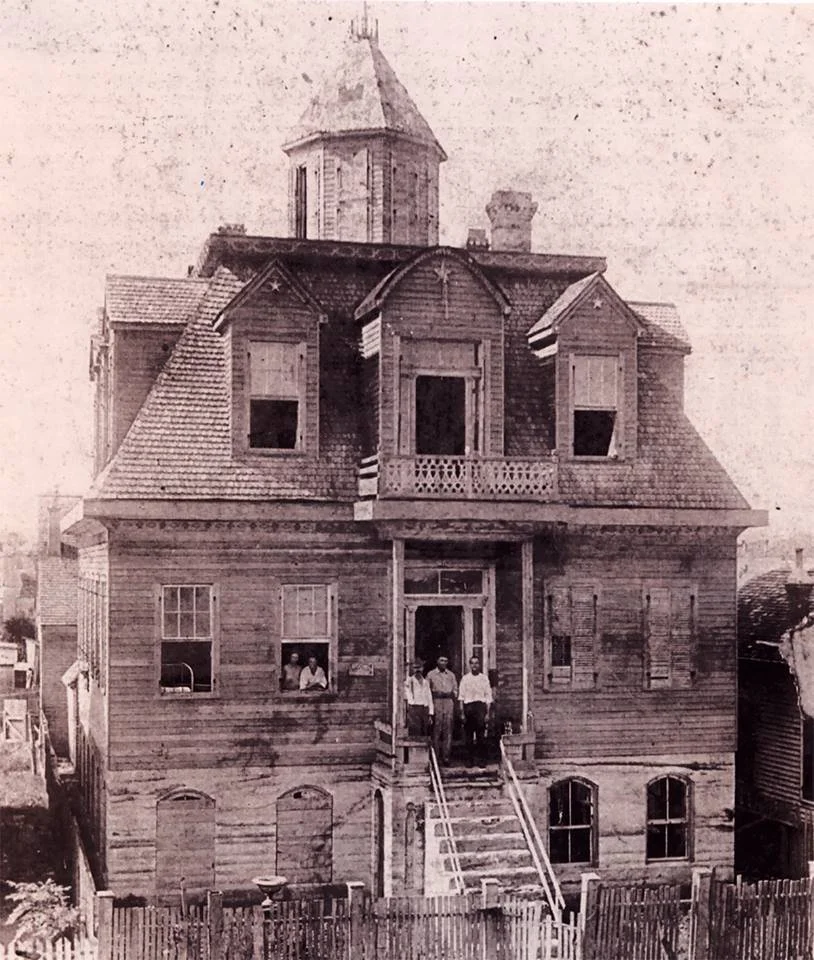
The House of the Twelve Gables, built by Captain Hendricks in the later half of the 19th century
A pirate, a hotel, and a castle
The site at 1417 Harborside Drive has had many identities throughout the years - much like Galveston itself. Legend has long connected the pirate Jean Laffite to this site, as rumors swirled over the two centuries since his departure of secret tunnels and buried treasure. However, the story doesn’t start, or end, with Laffite. The site served multiple functions over the decades following the establishment of the city of Galveston, including a hotel, until the final structure was constructed there in the later half of the 19th century - a house built by a sea captain, supposedly for his wife who wanted to live in a castle.
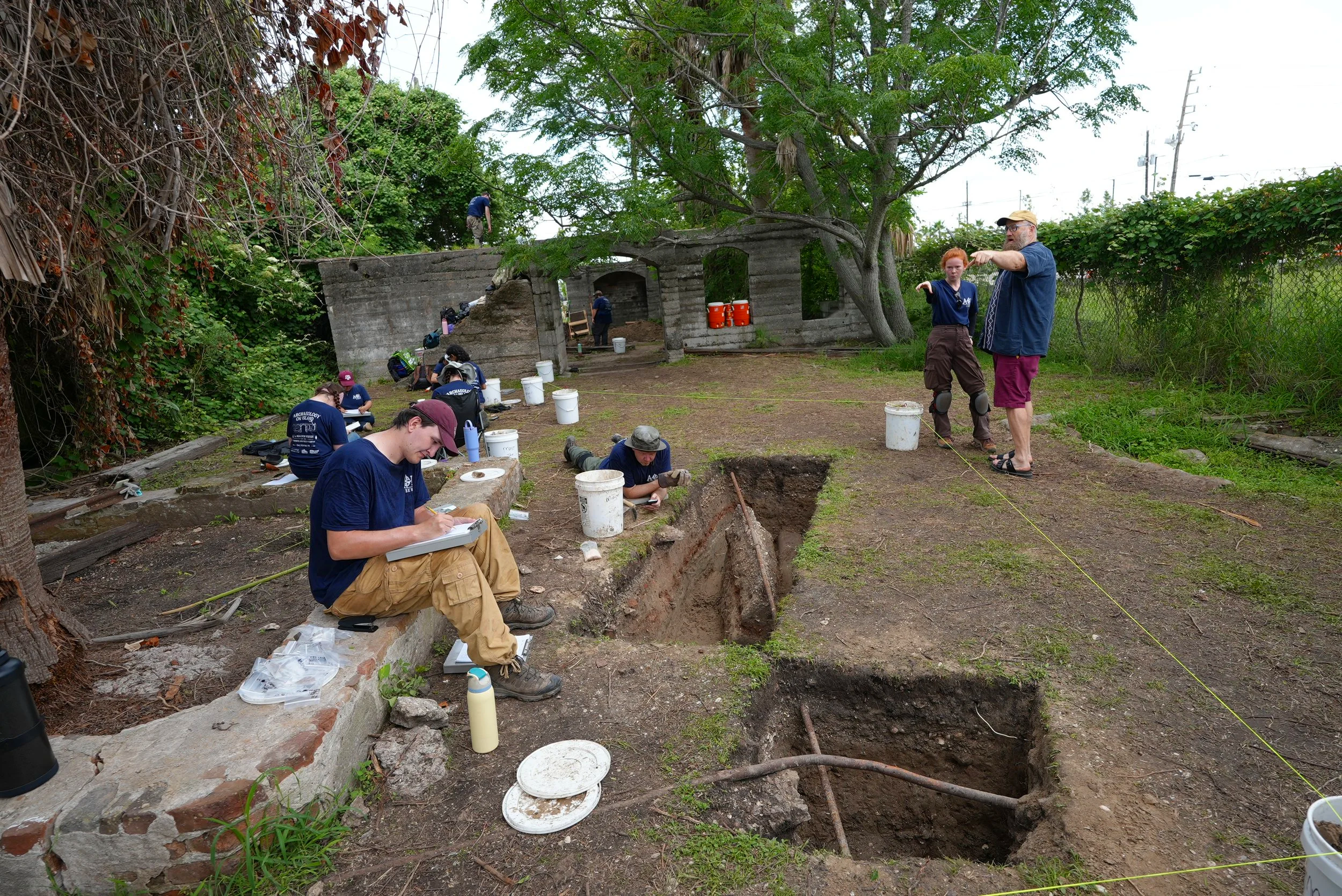
Archaeological Research at 1417 Harborside Drive
La Maison Rouge, the plot at 1417 Harborside Drive, was carefully chosen as the flagship project for the LX Heritage AOI Series. With its partially preserved structures, the lack of any new construction since the 19th century, and it’s location close to the historic downtown of Galveston, we knew this site likely preserved significant portions of the island’s history. While the site is often associated with the pirate Jean Laffite, the story doesn’t start or end there - and this site will tell us more about every period of the history of Galveston.
In addition to the unique opportunity to study the history of the island, archaeological research at this site provides an incredible opportunity to the students of Galveston. For anyone pursuing an education or a career in archaeology, one of the most important step is an archaeological field school.
The January 2026 Field Season
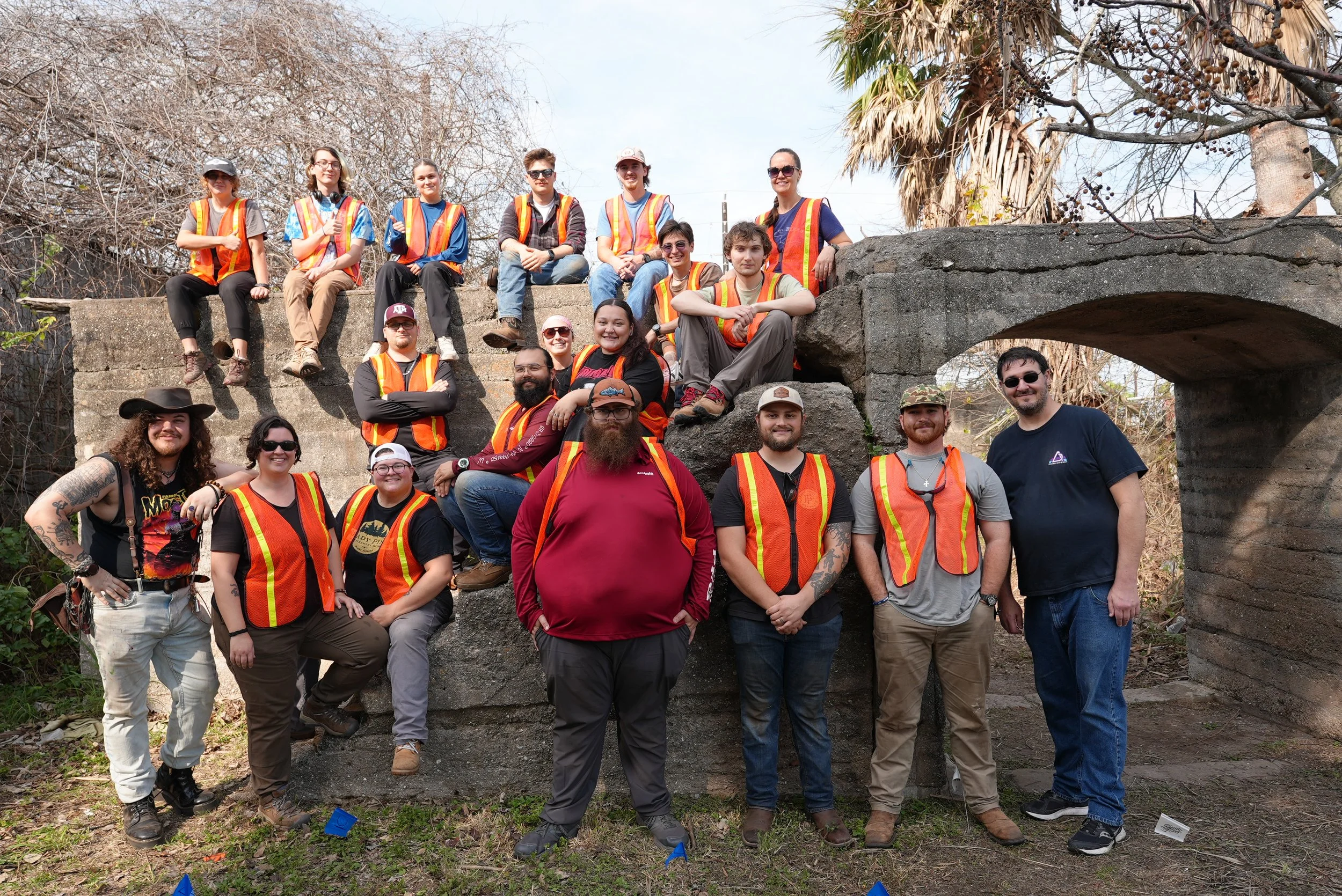
Archaeological research at La Maison Rouge began in January, 2026, with a field school offered to Texas A&M University Galveston students. There were three primary goals for the January 2026 field season:
Education in Archaeological Techniques
Our most important mission is education. The January 2026 field season was, at it’s foundation, a field school - a vital part of archaeological training for any aspiring archaeologist. Field schools, meant to teach techniques that cannot be learned in a classroom, are often incredibly expensive for students, who pay those associated fees out of pocket. We offer a hometown opportunity for students interested in archaeology.
Identification of Previous Excavations
At least two excavations occurred previously at this site. While we know these excavations occurred, we don’t know specifically where they dug. It is important that we identify where previous excavation units were placed so we can plan our own future excavation season.
Identify Locations for Future Excavations
We are always planning for future research, and this is no exception. We want to continue researching at this site, but it’s important we plan where we will place full excavation units. An important goal of the January 2026 season is to identify places that we will want to excavate in future season.
Results of the January 2026 Excavation
The inaugural excavation for LX Heritage at La Maison Rouge in January 2026 exceeded our greatest expectations. With just five days in the field, our team of talented students achieved all the goals we set out for them, while producing more data and collecting more artifacts than we ever anticipated.
-
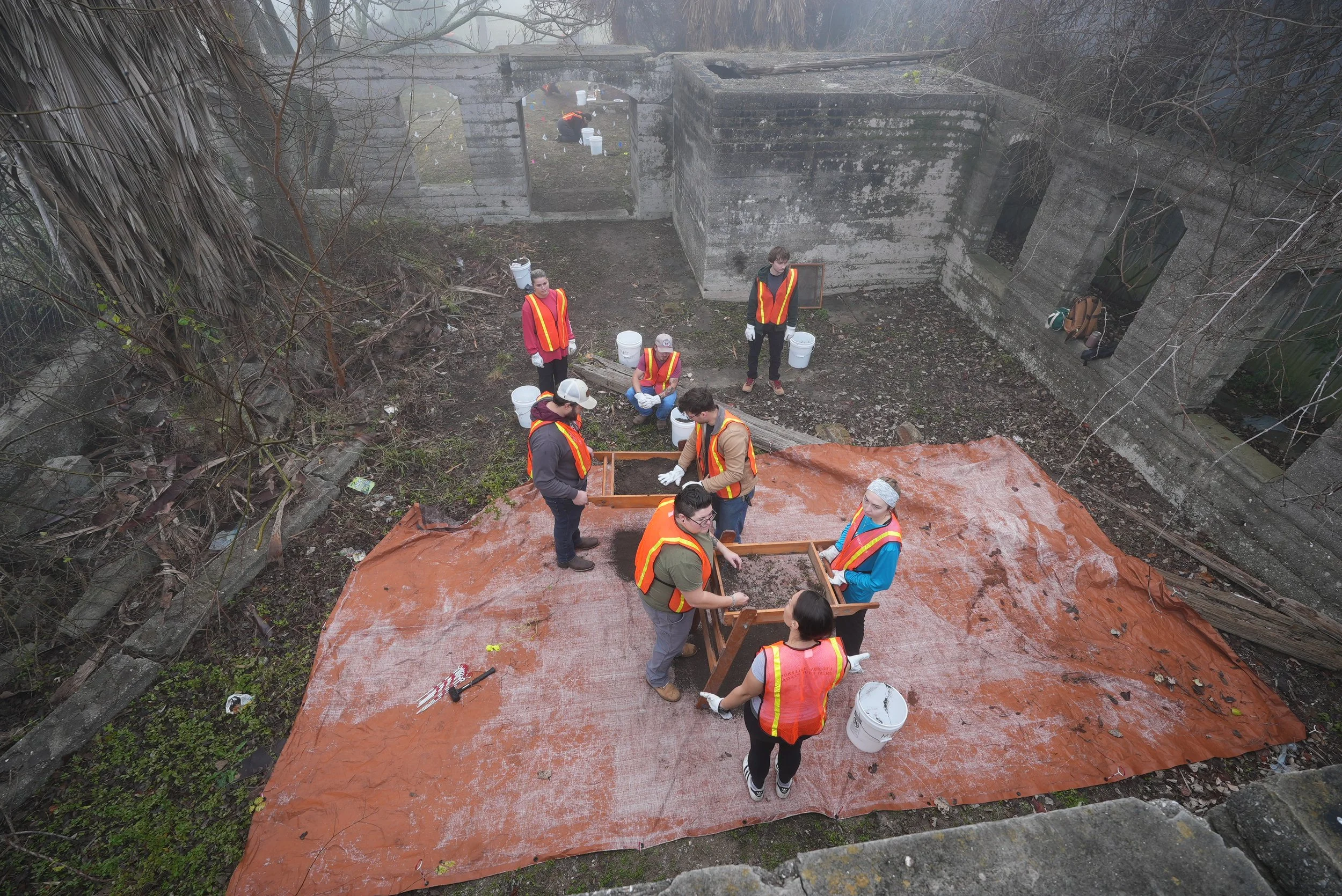
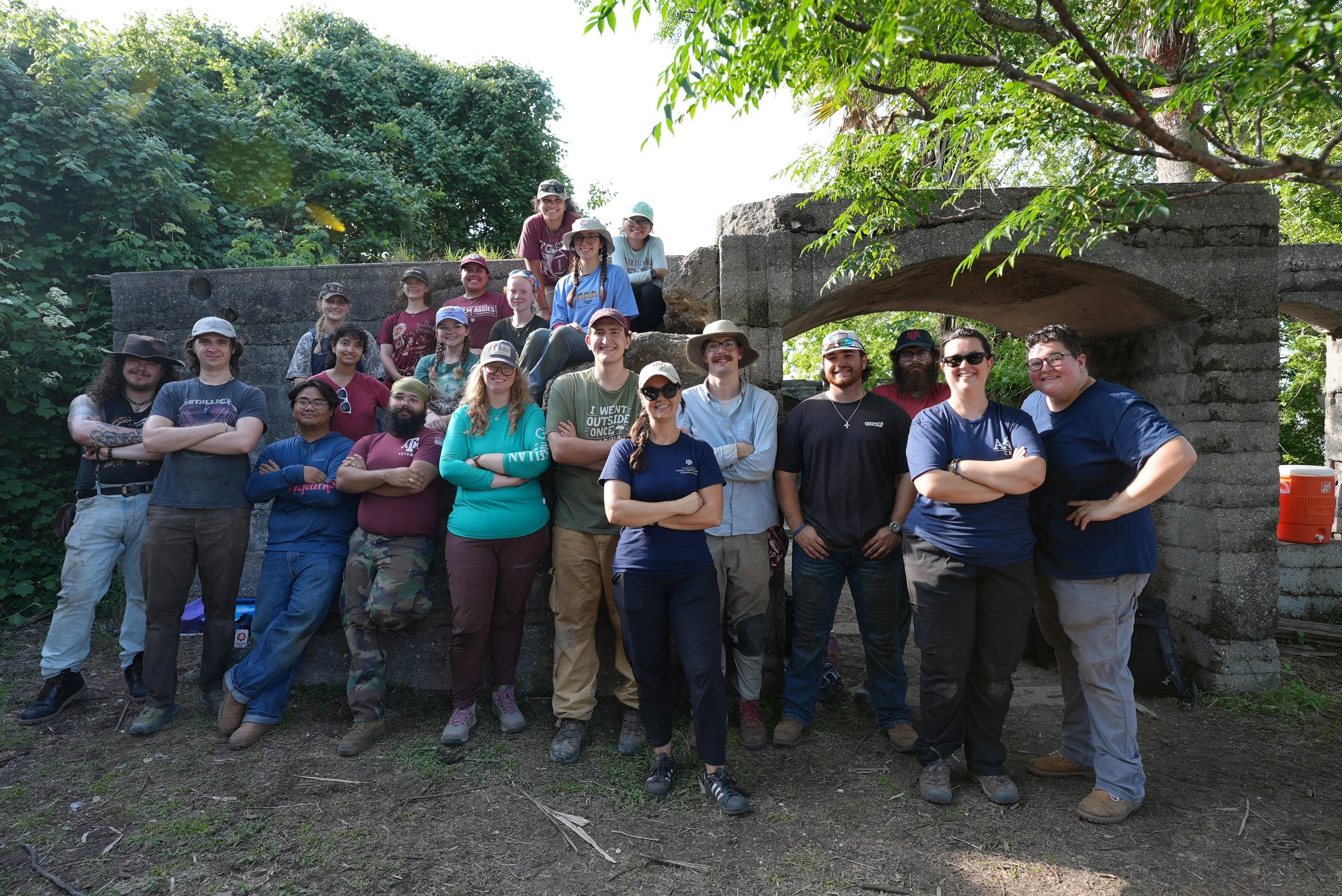
The January 2026 season had 14 incredible TAMU students. They learned vital archaeological techniques including site mapping, pedestrian survey, and how to create and document a shovel test pit. They also learned how to screen for artifacts, perform artifact collection, and properly backfill the site at the end of the excavation.
-
Through our students’ careful documentation, we were able to confidently identify areas of the site that had been previous excavated. By analyzing the soil in the shovel test pits placed by our students, we were able to determine areas of backfill, that is, areas that had previously been excavated and then filled back in. This will help us determine where to dig, and where not to dig, in future season.
-
During the January 2026 excavation, we raised over a thousand diagnostic artifacts, which means artifacts that have identifiable features and can be used for further research. These artifacts are now undergoing postprocessing, conservation, and research in our lab on Pelican Island.
-
Based on the site maps we were able to create, and the data that our students collected, we were able to identify areas of the site that are excellent candidates for further excavations.